
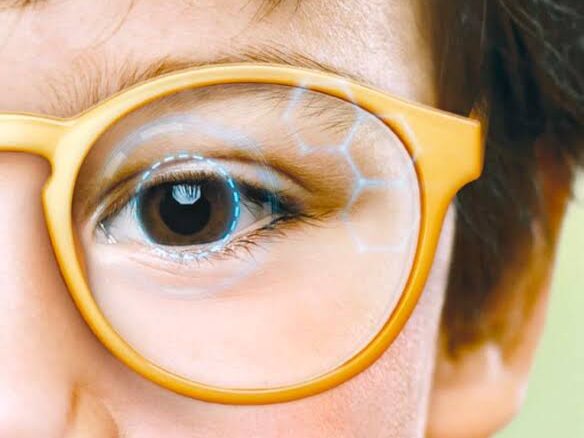
Myopia, commonly known as nearsightedness, is becoming increasingly common among children and young adults worldwide. People with myopia can see nearby objects clearly, but distant objects often appear blurry. With the growing use of smartphones, tablets, computers, and reduced outdoor activities, the number of children developing myopia is rising every year.
Although myopia can usually be corrected with glasses or contact lenses, it should never be considered “just a vision problem.” High myopia significantly increases the risk of serious eye diseases such as retinal detachment, glaucoma, cataracts, and myopic macular degeneration later in life.
Fortunately, modern Myopia Control treatments can help slow the progression of myopia and protect long-term eye health.
What Is Myopia?
Myopia occurs when the eye grows longer than normal or when the cornea is too curved. As a result, light focuses in front of the retina instead of directly on it, causing distant objects to appear blurred.
Myopia often begins during childhood and may continue to progress until the late teenage years or early adulthood.
Common Symptoms of Myopia
Parents and adults should watch for these common signs:
- Blurred distance vision
- Squinting to see clearly
- Sitting too close to the television
- Holding books or mobile phones very close
- Frequent headaches
- Eye strain after reading or screen use
- Difficulty seeing the classroom board or road signs
If any of these symptoms are present, a comprehensive eye examination is recommended.
Why Is Early Myopia Control Important?
Many parents believe stronger glasses are the only solution. However, today’s eye care focuses not only on correcting vision but also on slowing the progression of myopia.
Managing myopia early can reduce the risk of developing serious eye conditions later in life and help preserve healthy vision.
Risk Factors for Myopia
Several factors may increase the risk of developing myopia, including:
- Family history of myopia
- Excessive screen time
- Limited outdoor activities
- Prolonged near work such as reading or studying
- Poor visual habits during childhood
Encouraging healthy visual habits can significantly benefit children’s eye development.
How Is Myopia Diagnosed?
A comprehensive eye examination may include:
- Visual acuity testing
- Refraction assessment
- Eye health examination
- Measurement of refractive error
- Dilated retinal examination when necessary
Regular eye examinations help monitor changes in vision and determine the most appropriate treatment plan.
Modern Myopia Control Options
Depending on the patient’s age and eye condition, myopia management may include:
- Prescription glasses
- Specialized myopia control lenses
- Soft contact lenses designed for myopia management
- Low-dose atropine eye drops
- Lifestyle modifications and increased outdoor activity
- Regular follow-up eye examinations
The most suitable treatment depends on individual needs and should be recommended by an eye specialist.
Tips to Help Slow Myopia Progression
Simple lifestyle changes can help support healthy vision:
- Spend at least two hours outdoors every day.
- Follow the 20-20-20 rule during screen use.
- Maintain a proper reading distance.
- Ensure good lighting while studying.
- Limit unnecessary screen time.
- Attend regular eye checkups.
- Wear prescribed glasses consistently.
These healthy habits can play an important role in protecting children’s eyesight.
When Should You Visit an Eye Specialist?
You should schedule an eye examination if your child:
- Complains of blurred distance vision
- Frequently squints
- Holds books or devices very close
- Experiences headaches after reading
- Has difficulty seeing the classroom board
- Has a family history of high myopia
Early diagnosis provides the best opportunity to slow myopia progression and maintain healthy vision.
Why Choose Dr. Md. Maksude Mowla?
Dr. Md. Maksude Mowla is a highly qualified Eye Specialist, Retina, Laser & Phaco Surgeon committed to providing comprehensive eye care for patients of all ages. Through his Myopia Clinic, he offers detailed eye examinations, personalized myopia management, and evidence-based treatment plans designed to protect children’s vision and reduce the progression of myopia.
Using modern diagnostic technology and patient-centered care, he helps families make informed decisions about long-term eye health.
Myopia is more than simply needing glasses. If left unmanaged, progressive myopia can increase the risk of serious eye diseases later in life. Regular eye examinations, healthy visual habits, and modern myopia control treatments can help protect your child’s eyesight for years to come.
If your child is experiencing blurred distance vision or spends long hours on digital devices, schedule a comprehensive eye examination with Dr. Md. Maksude Mowla. Early intervention today can make a lifelong difference in preserving healthy vision.
📅 Book an Appointment with Dr. Md. Maksude Mowla
Expert Myopia Care provides comprehensive eye examinations, early diagnosis, and personalized myopia control solutions to help protect children’s vision and slow the progression of nearsightedness.