
5 Early Signs of Diabetic Retinopathy You Should Never Ignore
Category: Diabetic Retinopathy
Author: Dr. Md. Maksude Mowla
Reading Time: 4–5 Minutes
Diabetes affects millions of people worldwide, and one of its most serious complications is Diabetic Retinopathy—a condition that damages the tiny blood vessels in the retina, the light-sensitive tissue at the back of the eye. If left untreated, diabetic retinopathy can lead to permanent vision loss or even blindness.
The challenging part is that the disease often develops silently. Many patients experience no noticeable symptoms during the early stages, which is why regular eye examinations are essential for anyone living with diabetes.
What Is Diabetic Retinopathy?
Diabetic retinopathy occurs when prolonged high blood sugar levels damage the blood vessels of the retina. Over time, these vessels may leak fluid or blood, causing swelling and affecting vision. In advanced stages, abnormal new blood vessels can grow inside the eye, significantly increasing the risk of severe vision loss.
Fortunately, early diagnosis and timely treatment can preserve vision and prevent complications.
Early Signs You Should Never Ignore
1. Blurred Vision
If your vision becomes blurry or changes frequently, it could be a sign of retinal swelling caused by diabetes. While blurred vision may have various causes, diabetic patients should never ignore this symptom.
2. Floaters or Dark Spots
Seeing small black dots, cobweb-like shapes, or floating shadows may indicate bleeding inside the eye. These “floaters” can be an early warning sign of retinal damage.
3. Difficulty Seeing at Night
Struggling to see clearly in low-light conditions may suggest that the retina is being affected. If night driving becomes difficult, it’s time to schedule an eye examination.
4. Faded or Distorted Colors
If colors appear dull, faded, or different than usual, retinal damage may be interfering with your vision.
5. Sudden Vision Loss
Any sudden decrease in vision is a medical emergency. Immediate evaluation by a retina specialist is essential to reduce the risk of permanent damage.
Who Is at Higher Risk?
You should have regular retinal examinations if you:
- Have Type 1 or Type 2 diabetes
- Have had diabetes for several years
- Have poorly controlled blood sugar levels
- Have high blood pressure or high cholesterol
- Are pregnant and have diabetes
Even if your vision seems normal, annual retinal screening is strongly recommended.
How Is Diabetic Retinopathy Diagnosed?
A comprehensive eye examination may include:
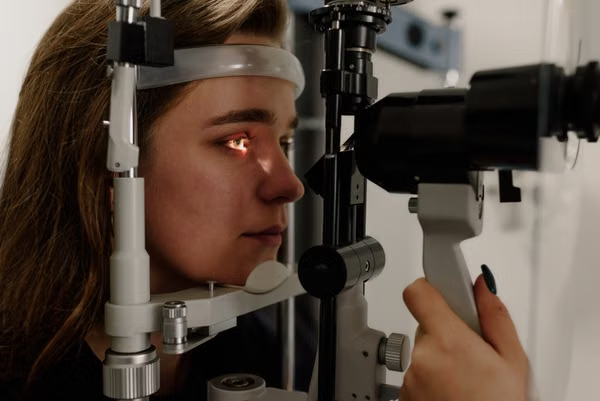
- Dilated retinal examination
- Digital retinal imaging
- Optical Coherence Tomography (OCT)
- Fundus photography
- Fluorescein angiography (when necessary)
These advanced diagnostic tools help detect retinal damage before noticeable symptoms develop.
Treatment Options
Depending on the severity of the condition, treatment may include:
- Blood sugar, blood pressure, and cholesterol control
- Retinal laser treatment
- Intravitreal eye injections
- Vitrectomy surgery in advanced cases
The best treatment depends on the stage of the disease and should be determined by a qualified retina specialist.
Prevention Tips
Protect your eyesight by following these simple steps:
- Keep your blood sugar under control.
- Monitor your blood pressure regularly.
- Eat a balanced diet rich in fruits and vegetables.
- Exercise regularly.
- Avoid smoking.
- Schedule a comprehensive eye examination every year.
When Should You Visit an Eye Specialist?
If you have diabetes and notice blurred vision, floaters, or any sudden changes in your eyesight, don’t wait. Early diagnosis is the key to preserving your vision and preventing permanent complications.
Final Thoughts
Diabetic retinopathy is one of the leading causes of preventable blindness, but it doesn’t have to be. Regular eye examinations, proper diabetes management, and timely treatment can help protect your vision for years to come.
If you or a family member has diabetes, schedule a comprehensive retinal examination today.
📅 Book an Appointment with Dr. Md. Maksude Mowla
Expert Retina, Laser & Phaco Surgeon providing advanced diagnosis and treatment for diabetic eye diseases, retinal disorders, cataracts, and comprehensive eye care.